Discover unmatched quality, innovation, and value with us
hello@wavepointpools.com
0566 121 566
Contact Us

Remodeling vs Resurfacing: What’s the Difference?

What is Pool Resurfacing?

Pool resurfacing is a cosmetic upgrade that focuses on repairing and refreshing the inner surface of your pool. Over time, exposure to chemicals, sun, and water causes your pool’s surface to fade, crack, or deteriorate.

Signs Your Pool Needs Resurfacing:

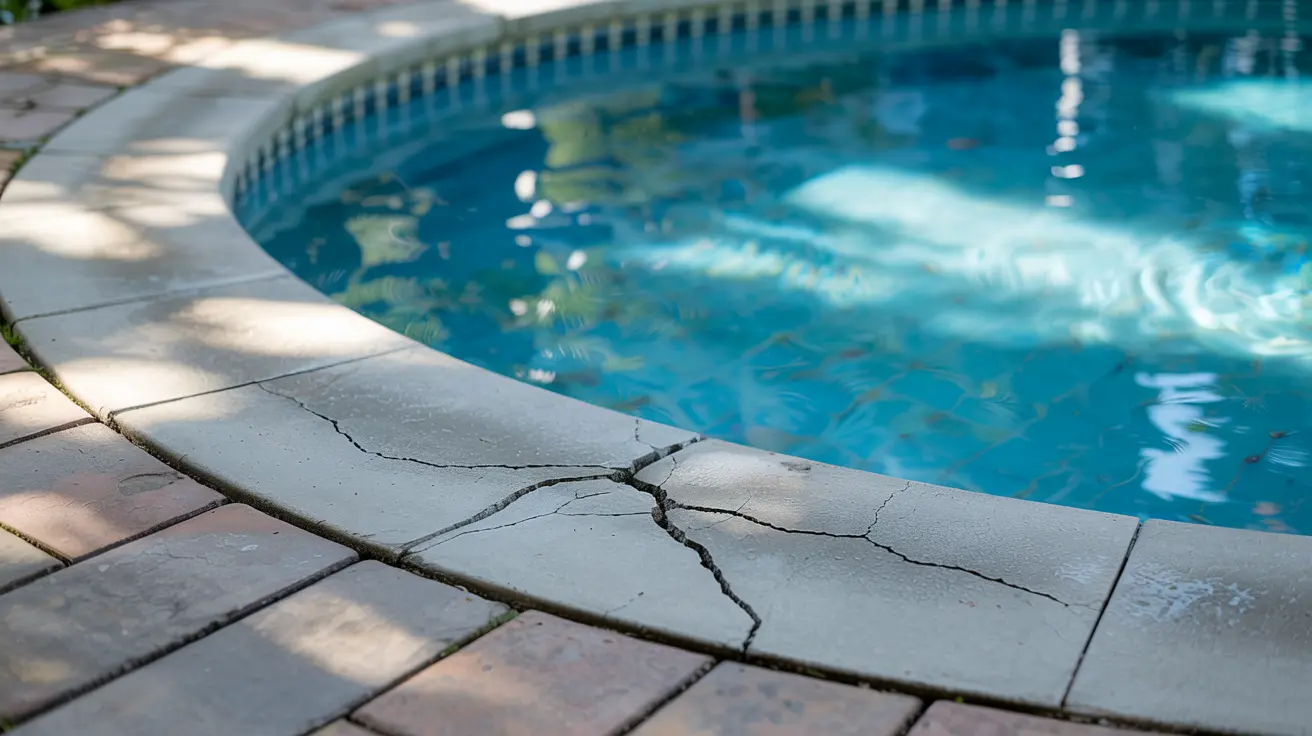
  • Rough or cracked surfaces—If your pool feels rough on your feet or has visible cracks, it’s time for resurfacing.
  • Discoloration and stains—Fading or dark stains that won’t go away signal surface deterioration.
  • Peeling or flaking—If your pool’s surface is peeling, it can lead to water leaks and further damage.

Types of Pool Resurfacing Materials:

  • Plaster—A budget-friendly classic, but it requires more maintenance.
  • Pebble finishes are durable, long-lasting, and give a natural look.
  • Quartz—A mix of durability and color variety for a modern aesthetic.
  • Tiles—High-end, luxurious, and extremely durable.

What is Pool Remodeling?

Pool remodeling goes beyond resurfacing—it’s a complete redesign and upgrade to improve your pool’s functionality, appearance, and efficiency.

Signs Your Pool Needs Remodeling:

Your pool design feels outdated compared to modern pools, you want to add new features like waterfalls, LED lighting, or a heating system, your pool needs major repairs, such as leaks, structural issues, or outdated plumbing.


Common Pool Remodeling Upgrades:

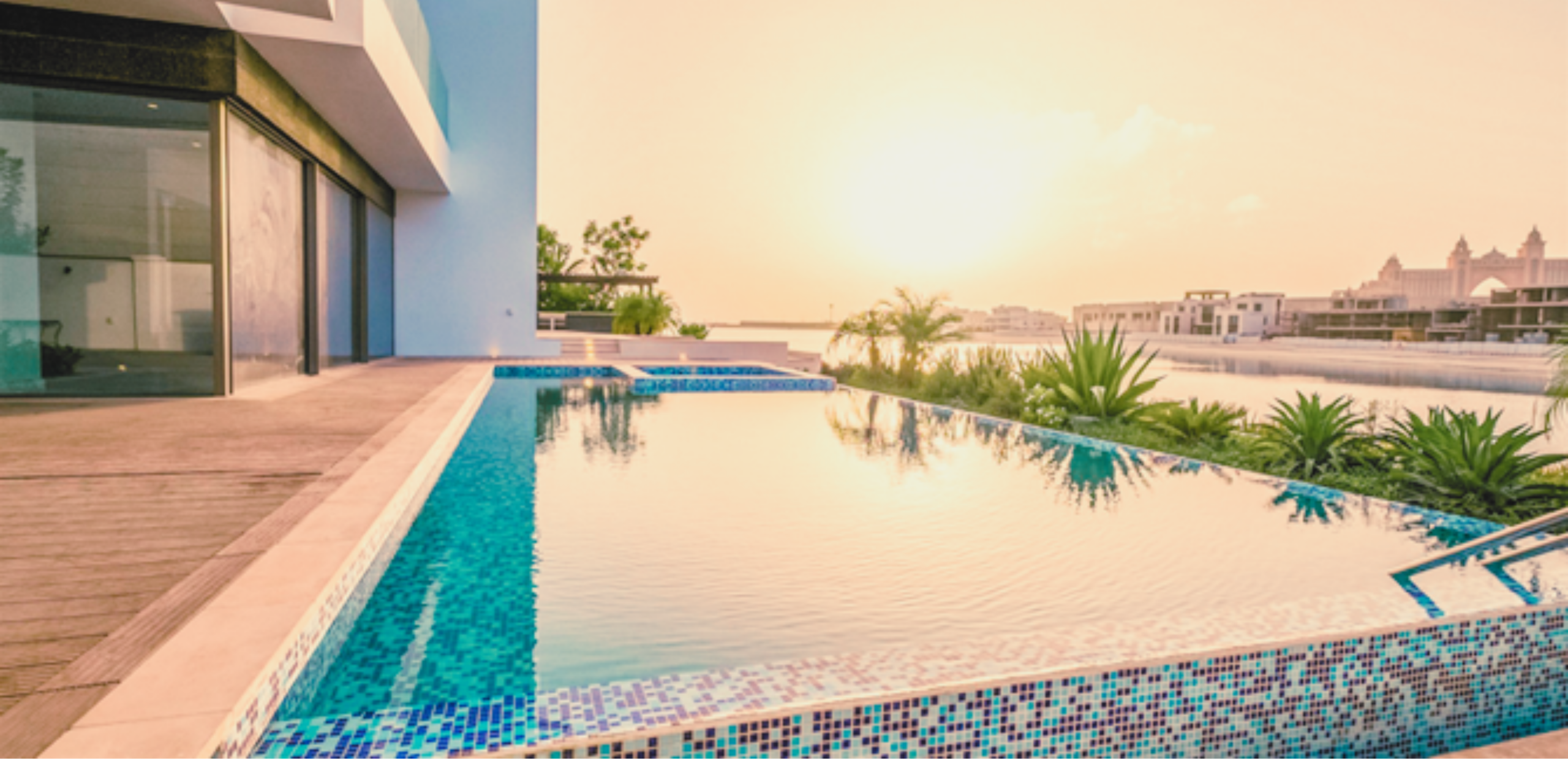
  • Infinity edge—Create a sleek, modern aesthetic.
  • Fire feature—Combine fire and water for a dramatic effect.
  • LED lights—energy efficient and great for nighttime swims.
  • Eco-friendly upgrade—solar heating, variable-speed pumps, and energy-efficient filters. Shallow lounging areas are perfect for sunbathing or kids.

Final Thoughts

If your pool surface is damaged but the overal structure is fine, resurfacing is your best bet. But if you want transform your pool into something spectacular, remodeling is the way to go.

tips, ideas & advice

Home
>
tips,ideas & advice
>

tips, ideas & advice

Remodeling vs Resurfacing: What’s the Difference?

What’s the Difference and Which One Does Your Pool Actually Need?

Thinking about giving your pool a makeover? Whether your pool is looking outdated and just needs a fresh new look, or has cracks and deeper structural and performance issues, you’ve probably come across two options: pool remodeling and pool resurfacing. Understanding the difference between these is very important before you decide on your upgrade.

What is Pool Resurfacing?

Pool resurfacing is a cosmetic upgrade that focuses on repairing and refreshing the inner surface of your pool. Over time, exposure to chemicals, sun, and water causes your pool’s surface to fade, crack, or deteriorate.

Signs Your Pool Needs Resurfacing:

  • Rough or cracked surfaces—If your pool feels rough on your feet or has visible cracks, it’s time for resurfacing.
  • Discoloration and stains—Fading or dark stains that won’t go away signal surface deterioration.
  • Peeling or flaking—If your pool’s surface is peeling, it can lead to water leaks and further damage.

Types of Pool Resurfacing Materials:

  • Plaster—A budget-friendly classic, but it requires more maintenance.
  • Pebble finishes are durable, long-lasting, and give a natural look.
  • Quartz—A mix of durability and color variety for a modern aesthetic.
  • Tiles—High-end, luxurious, and extremely durable.

What is Pool Remodeling?

Pool remodeling goes beyond resurfacing—it’s a complete redesign and upgrade to improve your pool’s functionality, appearance, and efficiency.

Signs Your Pool Needs Remodeling:

Your pool design feels outdated compared to modern pools, you want to add new features like waterfalls, LED lighting, or a heating system, your pool needs major repairs, such as leaks, structural issues, or outdated plumbing.


Common Pool Remodeling Upgrades:

  • Infinity edge—Create a sleek, modern aesthetic.
  • Fire feature—Combine fire and water for a dramatic effect.
  • LED lights—energy efficient and great for nighttime swims.
  • Eco-friendly upgrade—solar heating, variable-speed pumps, and energy-efficient filters. Shallow lounging areas are perfect for sunbathing or kids.

Final Thoughts

If your pool surface is damaged but the overal structure is fine, resurfacing is your best bet. But if you want transform your pool into something spectacular, remodeling is the way to go.

What is Pool Resurfacing?

Pool resurfacing is a cosmetic upgrade that focuses on repairing and refreshing the inner surface of your pool. Over time, exposure to chemicals, sun, and water causes your pool’s surface to fade, crack, or deteriorate.

Signs Your Pool Needs Resurfacing:

  • Rough or cracked surfaces—If your pool feels rough on your feet or has visible cracks, it’s time for resurfacing.
  • Discoloration and stains—Fading or dark stains that won’t go away signal surface deterioration.
  • Peeling or flaking—If your pool’s surface is peeling, it can lead to water leaks and further damage.

Types of Pool Resurfacing Materials:

  • Plaster—A budget-friendly classic, but it requires more maintenance.
  • Pebble finishes are durable, long-lasting, and give a natural look.
  • Quartz—A mix of durability and color variety for a modern aesthetic.
  • Tiles—High-end, luxurious, and extremely durable.

What is Pool Remodeling?

Pool remodeling goes beyond resurfacing—it’s a complete redesign and upgrade to improve your pool’s functionality, appearance, and efficiency.

Signs Your Pool Needs Remodeling:

Your pool design feels outdated compared to modern pools, you want to add new features like waterfalls, LED lighting, or a heating system, your pool needs major repairs, such as leaks, structural issues, or outdated plumbing.


Common Pool Remodeling Upgrades:

  • Infinity edge—Create a sleek, modern aesthetic.
  • Fire feature—Combine fire and water for a dramatic effect.
  • LED lights—energy efficient and great for nighttime swims.
  • Eco-friendly upgrade—solar heating, variable-speed pumps, and energy-efficient filters. Shallow lounging areas are perfect for sunbathing or kids.

Final Thoughts

If your pool surface is damaged but the overal structure is fine, resurfacing is your best bet. But if you want transform your pool into something spectacular, remodeling is the way to go.

Table of Contents

Share

You may also like: